Table of Contents
Boston Holocaust Memorial Poem: Powerful Tribute – The Boston Holocaust Memorial Poem stands as one of the most haunting and impactful elements of the New England Holocaust Memorial. Titled “First They Came,” this powerful tribute continues to move visitors with its stark warning against indifference and silence in the face of oppression. Located in the heart of Boston, this memorial combines striking architectural design with profound literary reflection, creating an unforgettable experience of remembrance.
History of the New England Holocaust Memorial
The New England Holocaust Memorial, often referred to in connection with its central poem, was dedicated in 1995. It was initiated by Holocaust survivors living in the Boston area, led by survivor Stephan Ross. The memorial honors the six million Jews murdered during the Holocaust, along with millions of other victims.
Situated along Boston’s historic Freedom Trail near Faneuil Hall, the memorial serves as both a physical and symbolic bridge between American ideals of liberty and the dark lessons of history.
Significance of Its Location in Boston
Placing the memorial in Boston— a city known for its role in the fight for freedom—adds layers of meaning. It reminds visitors that the defense of human rights is a continuous responsibility, connecting the American Revolution’s principles to the moral imperatives born from the Holocaust.
The Famous Boston Holocaust Memorial Poem
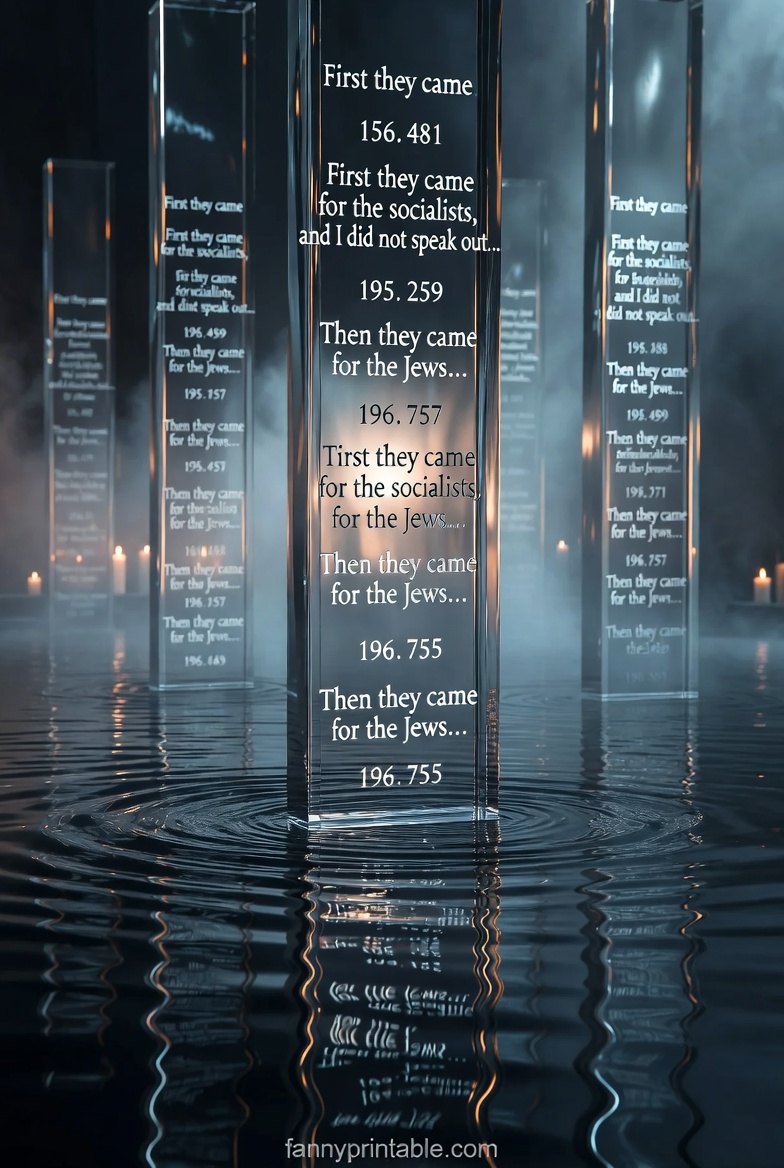
The most recognized literary feature is the engraving of “First They Came” by Pastor Martin Niemöller. This poem powerfully illustrates how failing to speak out against injustice allows tyranny to spread.
The poem reads (in its common form at the memorial):
First they came for the socialists, and I did not speak out—
Because I was not a socialist.
Then they came for the trade unionists, and I did not speak out—
Because I was not a trade unionist.
Then they came for the Jews, and I did not speak out—
Because I was not a Jew.
Then they came for me—and there was no one left to speak for me.
Why This Poem Remains a Powerful Tribute?
This short yet devastating poem serves as a universal moral call to action. It transcends time and place, urging every generation to confront hatred before it grows too powerful. At the Boston memorial, its placement among the glass towers makes the words feel immediate and personal.
Boston Holocaust Memorial Poem: Powerful Tribute
Architectural Design: Glass Towers and Symbolic Elements
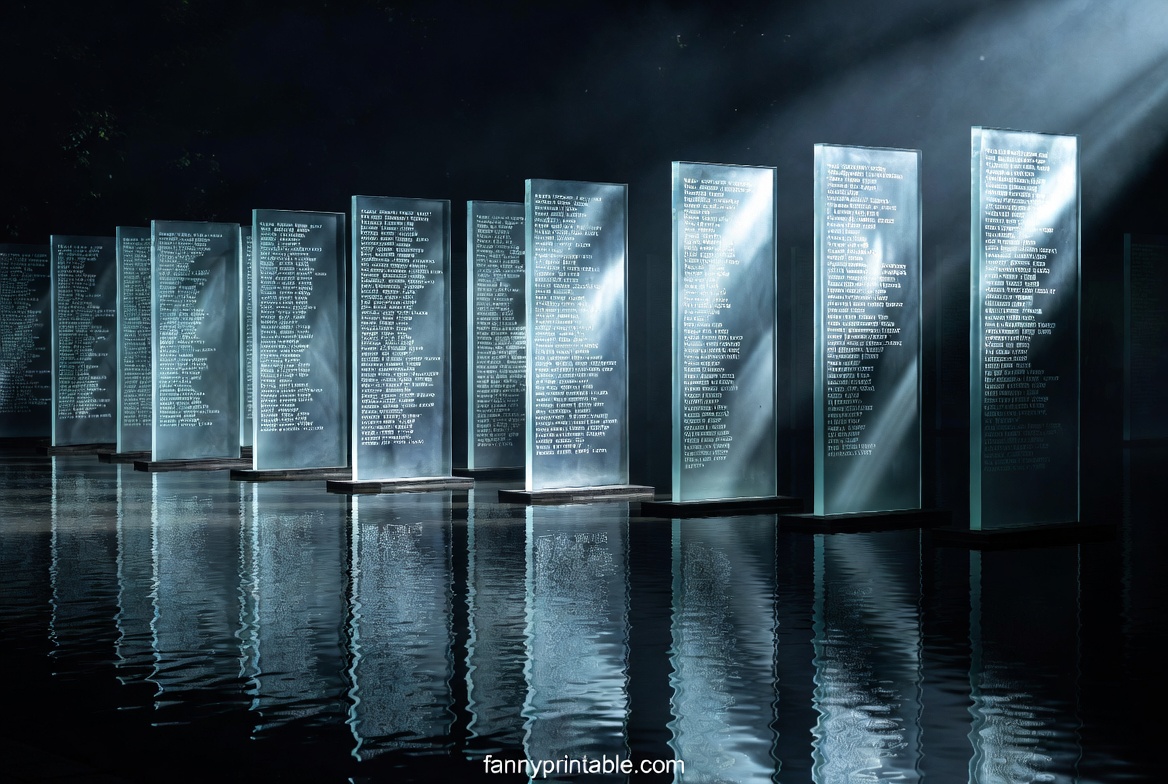
The memorial features six towering glass panels (often described as luminous glass towers), each standing over 50 feet tall. These structures represent the six major Nazi death camps: Auschwitz-Birkenau, Treblinka, Belzec, Chelmno, Sobibor, and Majdanek.
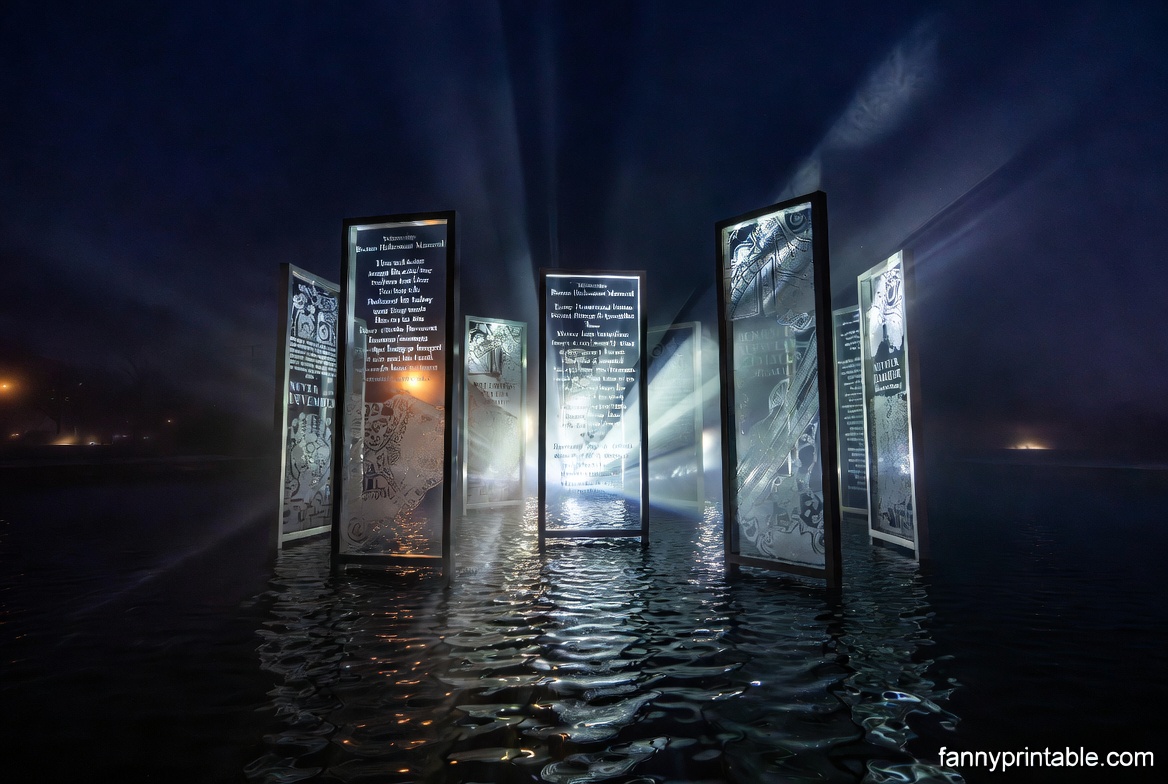
Each tower is etched with thousands of numbers symbolizing the six million Jewish victims. At night, the towers are internally illuminated, creating a glowing, ethereal effect.
Water Reflections and Atmospheric Impact
The design incorporates water elements and steam rising from grates beneath the towers, evoking the horror of the crematoria while also creating beautiful yet somber reflections. The interplay of light, glass, and water produces powerful visual tributes that enhance the emotional weight of the site. These reflections mirror the poem’s message—reminding us that history’s lessons must be clearly seen and never forgotten.
Visiting the Boston Holocaust Memorial
The memorial is open 24 hours a day and is free to visit. A granite path lined with quotes from survivors leads visitors through the towers, offering space for quiet contemplation.
Best Time to Experience the Tribute
Many visitors find the early morning or evening hours particularly moving, when the glass panels and water reflections create an even more contemplative atmosphere. The site is easily accessible on foot while exploring downtown Boston.
The Enduring Legacy and Educational Value
The Boston Holocaust Memorial Poem and its surrounding design continue to educate thousands of visitors annually about the dangers of hatred, antisemitism, and indifference. It stands as a powerful tribute not only to those who perished but also to the survivors who ensured their stories would inspire future generations.
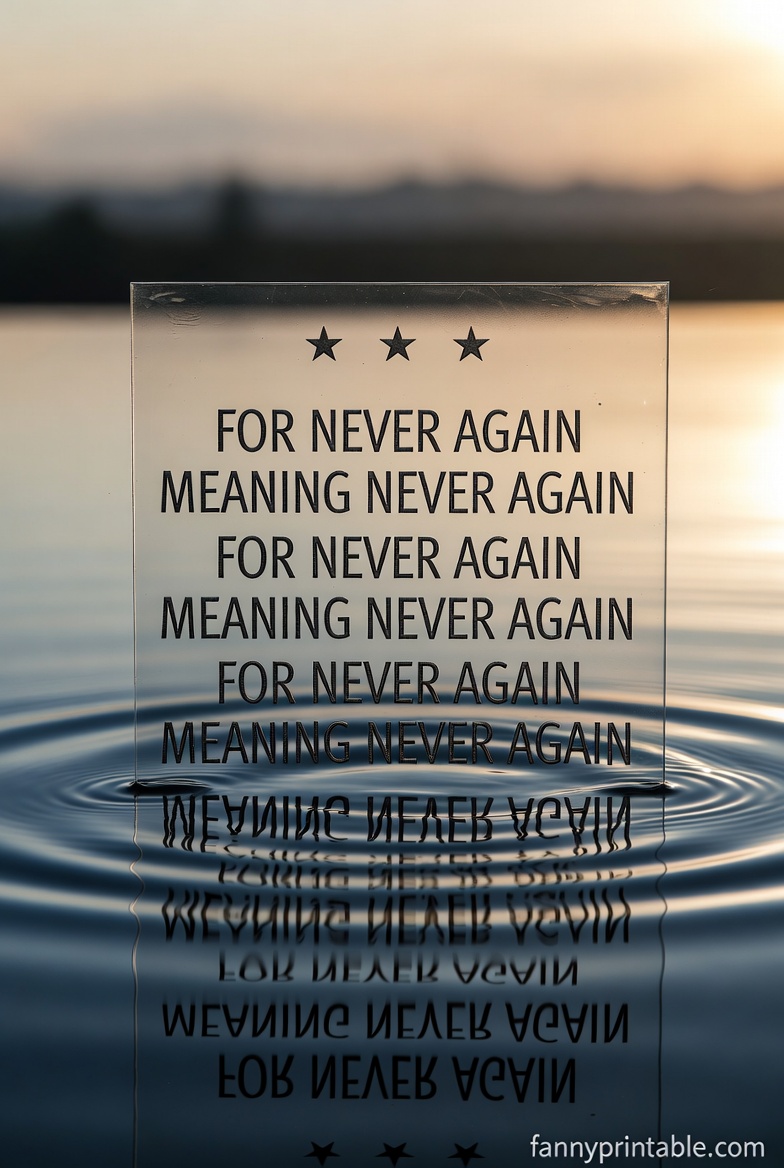
In an era where antisemitism and other forms of bigotry still exist, this memorial’s message remains urgently relevant. It challenges each of us to speak up, stand together, and ensure that “never again” becomes a lived reality.
Whether you visit in person or reflect on the poem from afar, the Boston Holocaust Memorial Poem offers a timeless, powerful tribute that resonates deeply with all who encounter it.